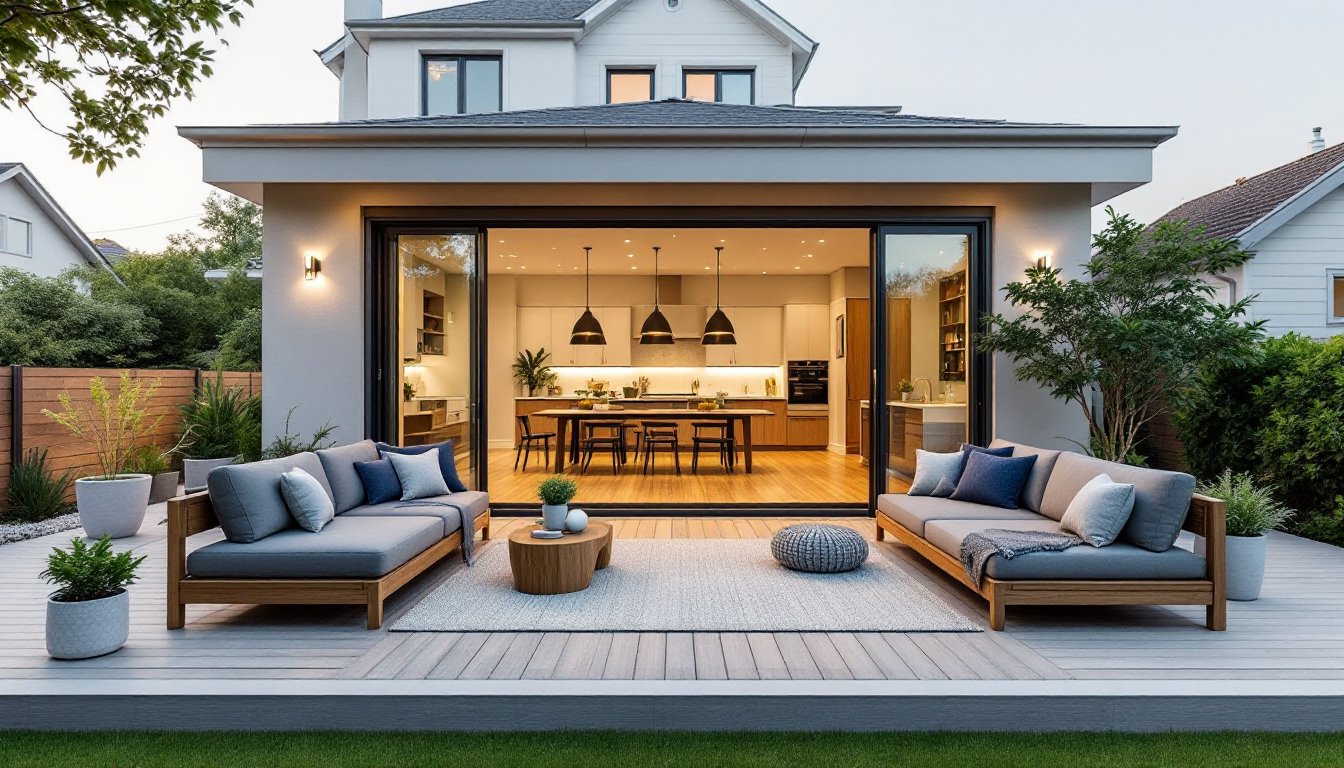
A Trex outdoor kitchen combines durable composite materials with modern functionality, giving homeowners a weather-resistant cooking and entertaining space without the constant upkeep of wood or traditional cabinetry. If you’ve thought about adding an outdoor kitchen but worried about maintenance in harsh climates or year-round exposure, Trex eliminates those headaches. This guide walks you through what Trex outdoor kitchens are, why they make sense for DIY installation or professional builds, design flexibility, and realistic planning for your backyard transformation.
Table of Contents
ToggleKey Takeaways
- A Trex outdoor kitchen uses durable wood-plastic composite materials that resist rot, fading, and freeze-thaw cycles without the yearly maintenance required for traditional wood cabinetry.
- Trex outdoor kitchens feature modular, interlocking components in standard sizes (24-, 36-, and 48-inch sections) that adapt to any patio layout, from L-shaped to island configurations.
- Basic installation requires a level concrete or composite foundation and can be DIY-friendly for cabinet assembly, though plumbing, gas, and electrical work typically require licensed professionals.
- A typical Trex outdoor kitchen costs $3,000 to $5,000 for materials alone, with fully equipped systems (grill, refrigerator, sink) ranging from $6,000 to $10,000 plus installation labor.
- Low maintenance is a key advantage—Trex composite needs only occasional soap and water cleaning, no sanding, staining, sealing, or re-caulking that traditional outdoor kitchens demand.
- When spread across a 15-to-20-year lifespan, a $10,000 Trex outdoor kitchen investment costs approximately $667 per year, often less than maintaining traditional wood outdoor spaces.
What Is Trex Outdoor Kitchen?
Trex outdoor kitchens are modular, composite-based cabinetry and counter systems engineered specifically for outdoor environments. Unlike traditional outdoor kitchens cobbled together from indoor components, Trex uses a proprietary composite material, a wood-plastic blend that resists rot, splintering, and fading. The cabinets come pre-fabricated, designed to interlock, and require no staining or sealing after installation.
Think of it as outdoor furniture that functions like indoor cabinetry. Trex offers sink kits, refrigerator modules, grill bases, and countertops made to work together seamlessly. They’re built for the exact conditions your yard throws at them: UV exposure, rain, freeze-thaw cycles, and temperature swings. Unlike wood or standard resin, Trex composites maintain color and structural integrity for decades with minimal intervention beyond occasional soap and water cleaning.
Why Choose Trex for Your Outdoor Space
Durability and Weather Resistance
Traditional wood cabinetry outdoors demands yearly sealing, sanding, and staining, a chore most homeowners abandon after the first or second season. Trex composite withstands rain, snow, salt spray, and intense sun without rotting, warping, or fading noticeably. The material is engineered to handle freeze-thaw cycles that would splinter wood, making it ideal for climates with real winters.
Rust-resistant stainless steel hardware and integrated drainage systems mean water doesn’t pool or create rot pockets. Load-bearing capacity exceeds what many homeowners expect: countertops handle heavy appliances, and cabinet frames support real cooking equipment without flexing. This durability directly translates to fewer repairs and replacements over a 15- to 20-year lifespan.
Low Maintenance Requirements
This is where Trex shines for busy homeowners. Beyond an occasional cleaning with mild soap and water, there’s virtually nothing to do. No sanding, staining, or sealing. No replacing rotted boards or re-caulking seams every couple years. The composite doesn’t need primer or topcoats. UV inhibitors are built into the material itself, so color holds steady without fading to dull grays or weary browns.
If a section gets scuffed or lightly scratched, it’s cosmetic only, the damage doesn’t expose raw material to moisture. Seasonal cleanup is simpler: hose it down, wipe dry if you’re in a wet climate, and you’re done. This low-maintenance profile appeals especially to homeowners who want the outdoor entertaining space without becoming a weekend maintenance project.
Design and Customization Options
Trex outdoor kitchens ship in modular pieces that lock together like LEGO blocks, so you’re not locked into one rigid layout. Base cabinet heights are standard (36 inches, similar to indoor kitchens), and counter widths come in 24-, 36-, and 48-inch sections. This modularity lets you adapt to your patio’s shape, whether you need an L-shaped layout, an island, or a long linear counter.
Color options include weathered wood tones, charcoal grays, and whites that complement most outdoor aesthetics. You can mix and match finishes if your design allows, though most people keep it uniform for a cohesive look. Counter surfaces accept standard outdoor-rated appliances: gas or charcoal grills, side burners, refrigerators, and built-in coolers. Sink modules pair with standard drop-in or undermount sinks.
Some homeowners combine Trex cabinetry with stone countertops (granite or concrete) for a high-end aesthetic, while others keep the Trex counters and add a pergola or shade structure overhead. The real advantage is that you’re not buying a one-size-fits-all system: you’re buying components that fit your space. When planning your custom outdoor living setup, Trex gives you creative freedom without sacrificing durability.
Installation Considerations and Planning
Installation difficulty depends on your comfort with basic carpentry and your site’s prep work. Trex cabinets themselves are lighter and easier to handle than solid wood, but the foundation matters. You’ll need a level, concrete or composite patio surface, Trex won’t tolerate sitting directly on soil or uneven ground. If your patio isn’t level (even a quarter inch matters over 4 feet), shims and adjustments become necessary before cabinets go in.
The base assembly involves anchoring cabinet frames to the patio using corrosion-resistant fasteners, then interlocking cabinet sections according to Trex’s instructions. This isn’t complex, but it demands precision: measurements off by half an inch compound down the line. Many DIYers handle the cabinet assembly confidently: others hire an installer for a few hundred dollars to ensure everything lines up and drains properly.
Appliance integration, cutting sink holes, running water lines, positioning a grill flange, requires you to think about plumbing and gas runs upfront. If you need water supply or gas, that’s where professionals enter the picture. Most homeowners hire a plumber for water hookups and a certified technician for gas lines (often a code requirement). Electrical for a refrigerator or under-counter lighting is straightforward if you already have an outlet nearby: if not, running new circuits may need a licensed electrician depending on your jurisdiction.
Give yourself at least a month to plan: finalize your design, order Trex components (lead times can stretch 4-6 weeks), arrange appliance deliveries, and schedule any licensed trades before assembly day. Rushing leads to poor drainage, misaligned modules, or plumbing that doesn’t integrate smoothly.
Cost and Budget Planning
A basic Trex outdoor kitchen, four base cabinets, a counter section, and no appliances, runs $3,000 to $5,000 for materials. Add a grill, refrigerator, and sink, and you’re looking at $6,000 to $10,000 total for the Trex system plus appliances. Installation labor adds $1,500 to $3,000 depending on complexity and regional rates. High-end builds with multiple zones, premium appliances, and custom stonework can exceed $15,000 to $20,000, but that’s not typical for a DIY-friendly project.
These costs vary heavily by region, local labor rates, and material choices. A stainless steel grill costs more than a basic charcoal model. Granite countertops are pricier than composite. Always get quotes from local installers before committing: they can flag site-specific challenges (drainage issues, uneven patios, gas line routing) that affect final cost.
Budget for hidden costs: patio reinforcement or leveling if your surface isn’t perfect, permits if required by your municipality (many places mandate building permits for outdoor kitchens), and contingency (10–15% extra for the unexpected). If you’re doing the assembly yourself and handling plumbing/electrical through licensed trades, labor cost stays reasonable. If you outsource everything, expect to pay 40–50% more for installation alone.
Check whether your homeowner’s insurance covers an outdoor kitchen: some policies require a separate rider. And remember: this is a long-term investment. Spread against 15 years of use, a $10,000 outdoor kitchen costs roughly $667 per year, less than many homeowners spend on regular deck staining and repairs for traditional setups. Resources like Homedit and The Kitchn showcase design inspiration and appliance reviews that help you prioritize spending on features that matter most to your entertaining style.