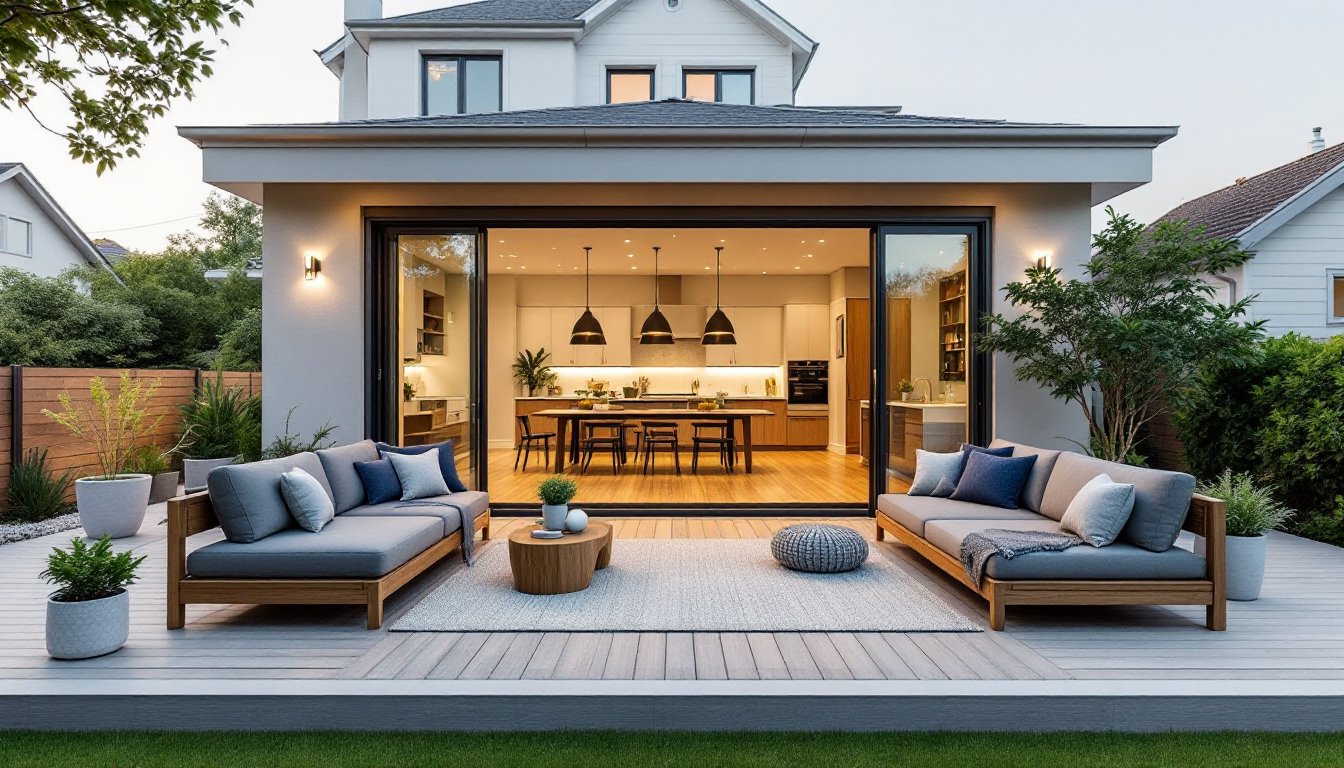
A covered patio transforms a home’s outdoor space, but when fall rolls around, most homeowners pack it in until spring. The right outdoor heater changes that equation entirely, extending your season by months and making those cooler evenings genuinely comfortable. Whether you’re hosting a dinner party in November or nursing coffee on a chilly March morning, an outdoor heater for a covered patio solves the problem without very costly or requiring a major installation. The key is understanding what type of heater works best for your setup, what features actually matter, and how to install it safely. This guide walks you through the options so you can pick the heater that fits your space and lifestyle.
Table of Contents
ToggleKey Takeaways
- Propane pedestal heaters and natural gas heaters provide the highest heat output (40,000–50,000 BTU) for covered patios, while electric options offer quieter, lower-maintenance operation but with reduced heating power suitable for mild climates.
- The best outdoor heater for covered patio spaces depends on size: a 40,000-BTU heater suits 100–150 square feet, while 50,000 BTU handles 200-square-foot areas, though real-world coverage is typically 30–50% less due to open-sided heat loss.
- Proper installation with 3 feet of clearance from combustibles, GFCI protection for electrical units, and licensed professionals for gas line work is critical to preventing safety hazards and complying with building codes.
- Propane heaters cost $15–$30 per tank refill lasting 10–15 hours, while electric heaters run $2–$4 per day, making propane more economical for frequent winter use in high-electricity regions.
- Wall-mounted gas heaters preserve floor space compared to pedestal models but require $300–$1,200 installation, while electric infrared options provide a sleek, low-maintenance alternative for extending shoulder seasons.
- Monthly maintenance—checking bolts, inspecting fuel lines, and cleaning vents—extends heater longevity and prevents common failures that often result from neglect or improper initial setup.
Types of Outdoor Patio Heaters and How They Work
Three main heater types dominate the covered patio market: propane, natural gas, and electric. Each has trade-offs in heat output, fuel costs, installation complexity, and maintenance. Your choice depends on your budget, what utility lines your home already has, and how much heat you actually need.
Propane and Natural Gas Heaters
Propane heaters run on a refillable 20-pound tank (the same size as a gas grill), while natural gas units connect to your home’s gas line. Both produce high heat output, typically 40,000 to 50,000 BTU per hour, and warm a covered patio quickly. Propane is portable: you just swap tanks when one empties. Natural gas is more convenient if your line runs to the patio already, but it requires a licensed plumber to install safely and compliantly.
Propane heaters use radiant heat, warming objects and people directly rather than heating the entire air around them. That’s why they feel toasty even in 40-degree weather, and it’s also why you don’t waste fuel heating an open sky. The burner sits at the top of a tall pedestal or mounted on a wall, with decorative ceramic tiles or metal screens protecting the flame. Propane costs roughly $15–$30 per refill depending on your region, and one tank typically lasts 10–15 hours of continuous use.
Natural gas heaters are the better choice if your patio has easy access to a gas line, because you’ll never run out of fuel or worry about tank swaps. But, installation runs $300–$800 in labor alone, and your patio structure must accommodate a gas line without damaging the roof or support posts. You’ll also need a permit in most jurisdictions.
Electric Heaters
Electric patio heaters plug into a standard outlet (or hardwired 240V circuit for larger models) and use infrared quartz or halogen elements to emit radiant heat. They’re quieter than gas units, produce zero emissions, and require almost no maintenance. The downside: lower heat output (1,500–3,000 watts typically) and higher operating costs if you’re in a region with expensive electricity.
Electric heaters work best in mild climates or as supplemental heat on a covered patio where wind won’t steal warmth as quickly. They don’t warm up as aggressively as propane, so they’re ideal for smaller spaces or for extending the shoulder season (spring and fall) rather than deep winter use. Running a 1,500-watt heater for 8 hours costs about $2–$4 per day, depending on local electricity rates.
Key Features to Consider for Covered Patio Spaces
When shopping for an outdoor heater, focus on the features that actually affect performance and usability in a covered space.
Heat Output (BTU): Propane and gas heaters are rated in BTU per hour. A 40,000-BTU heater is suitable for a 100–150 square foot covered patio: jump to 50,000 BTU for a 200-square-foot space. More BTU isn’t always better, oversizing wastes fuel and creates unnecessary heat.
Coverage Area: Manufacturers often claim a heater covers 150–250 square feet, but that’s optimistic in uninsulated spaces. In reality, a covered patio with open sides loses more heat than an enclosed room. Assume 30–50% less effective coverage in real-world conditions.
Control Options: Look for adjustable heat settings (low, medium, high) rather than a simple on-off switch. Infrared or quartz heaters often have dimming capabilities, and gas units benefit from a push-button or remote ignition. Thermostatic controls are rare on patio heaters but invaluable if you want consistent warmth without manually adjusting.
Durability and Materials: Steel and aluminum construction holds up better than plastic. Check the finish, powder-coat paint lasts longer than spray-on lacquer. If your patio gets snow or rain exposure (yes, even under a roof), stainless steel or aluminum frames resist rust better than steel.
Stability and Safety Features: A weighted base or ground anchors prevent tipping from wind or accidental contact. Gas heaters should have tip-over switches that shut off the burner if the unit tilts more than 15 degrees.
Warranty: A 1-year limited warranty is standard: some brands offer 3–5 years on heating elements. Check what’s covered, usually the heating component, not cosmetic damage or user error.
Top Outdoor Heater Options for Covered Patios
While we can’t recommend every model on the market, here’s how to evaluate the top contenders.
Propane Pedestal Heaters ($150–$400): These tall, mushroom-shaped units are the workhorses of covered patios. A 40,000-BTU Sunglo or Heat Focal model (common at home centers) delivers consistent warmth and looks halfway decent. They’re stable, lightweight enough to move, and parts are easy to replace. The tradeoff: they take up floor space and can’t be mounted to save room.
Wall-Mounted Gas Heaters ($300–$1,200): If you don’t want to give up patio real estate, a wall-mounted heater is your answer. These bolt to a post or wall and come with 30,000–50,000 BTU output. Installation is more involved (see Safety and Installation Tips below), but you gain half your floor space back. Stainless steel versions run higher but resist weather better.
Electric Infrared Heaters ($200–$600): Brands like Bromic and EnerG+ make sleek wall-mounted or ceiling-mounted infrared units rated 1,500–3,000 watts. They’re whisper-quiet, don’t require fuel refills, and mount flush to your ceiling or wall. The catch: they work best in mild climates or on shorter autumn and spring evenings, not sustained winter heating. External expert reviews from sources like Good Housekeeping’s patio heater testing often highlight these as the best low-maintenance option.
Tabletop Propane Heaters ($80–$200): These smaller units sit on a table and use a 1-pound propane cartridge. They’re great for intimate gatherings but lack the oomph to warm a large covered space. Think of them as a supplement, not the main event.
Ductless Outdoor Heater Systems ($1,500–$4,000): High-end options include infrared heater panels or mini-split heat pumps designed for outdoor rooms. These are overkill for most patios but brilliant if you’re building a semi-enclosed year-round space. Installation requires a licensed HVAC technician.
Safety and Installation Tips
Improper installation is the leading cause of heater failures and safety hazards on patios. Follow these guidelines closely.
Clearance Requirements: Most gas and propane heaters need at least 3 feet of clearance from walls, roof structures, and combustibles. Electric heaters require slightly less (18–24 inches), but check your unit’s manual, codes vary. A covered patio roof made of vinyl or acrylic is not fireproof: position heaters away from it. This is non-negotiable.
Propane Tank Placement: The fuel tank must sit on level ground, not on a deck or porch platform (fire codes prohibit this). Secure the tank with a bracket or chain to prevent tipping. Never store a spare propane tank near your heater, keep spares in a garage or shed, at least 10 feet away.
Gas Line Installation: If you’re running a natural gas line to your patio, hire a licensed plumber or gas fitter. They’ll size the line correctly, use approved fittings (no garden hose adapters), and test for leaks using soapy water. Your local building department may require a permit: budget $400–$1,000 for professional work. Sketching out the route beforehand (under siding, along posts, up the wall) helps your plumber give an accurate estimate.
Electrical Safety (Electric Heaters): Plug-in electric heaters should use a GFCI-protected outlet, most modern patio outlets are GFCI-equipped, but test your outlet with a GFCI tester before plugging in. For hardwired 240V units, a licensed electrician should handle the circuit installation and ensure a proper disconnect switch is in place.
Ventilation and Combustion Air: Propane and gas heaters need oxygen to burn safely. An open-sided covered patio usually has adequate airflow, but if your patio is nearly enclosed (say, with heavy drapes or polycarbonate panels), you risk carbon monoxide buildup. If you’re considering semi-enclosing your space, resources from Today’s Homeowner offer seasonal ventilation guidance. Never run a gas heater inside a fully enclosed room.
Wind and Tipping Hazards: Position your heater out of prevailing wind paths (wind cools the heater and scatters warmth). Use the weighted base provided, and on windy days, consider additional anchoring. Inspect the base and any fasteners monthly for rust or loosening.
PPE and Operation: When igniting a gas heater, wear safety glasses in case of a flare-up. Keep the ignition area clear of hands and loose fabrics. Never leave a running heater unattended, and always turn it off before covering it or leaving the patio for the night.
Maintenance and Inspection: Every season, wipe down the heater, check for loose bolts, and inspect the fuel line (propane or gas) for cracks or loose connections. For electric heaters, make sure vents aren’t clogged with dust or leaves. A quick visual once a month prevents most problems and extends the heater’s life by years.
Conclusion
The best outdoor heater for a covered patio depends on your space size, climate, and convenience priorities. Propane pedestal heaters offer simplicity and strong heat output for a modest upfront cost: natural gas provides longer-term economy if the infrastructure exists. Electric heaters suit mild climates and quiet operation but demand a climate-friendly electrical grid and moderate heat needs. Whatever you choose, prioritize clearance, proper installation, and regular maintenance. A covered patio heater isn’t just a luxury, it reclaims half your year and turns your home’s outdoor space into a genuine extension of your living area. Invest in the right model now, and you’ll spend next November enjoying the view instead of watching from inside.