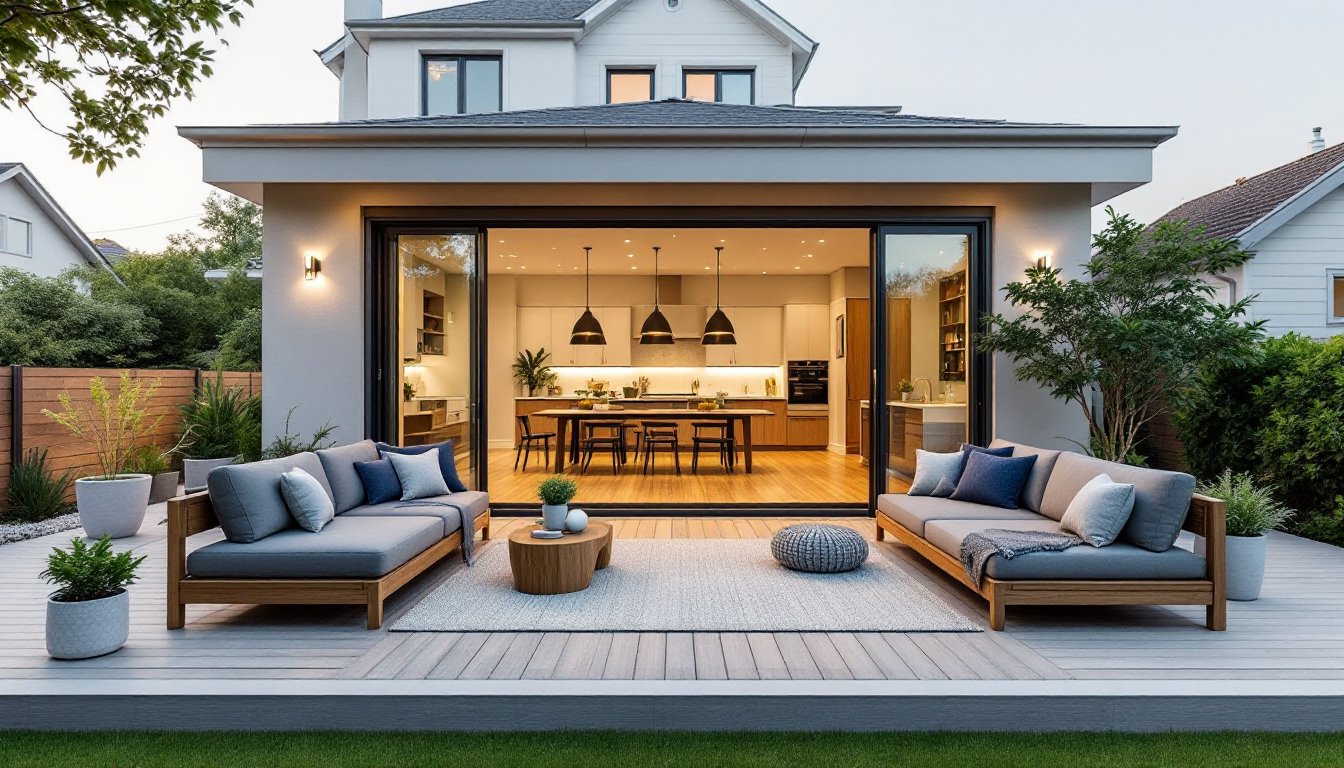
Building an outdoor kitchen is one of the smartest investments a homeowner can make, it extends living space, boosts entertaining capacity, and transforms a backyard into a functional retreat. But success depends entirely on choosing the right outdoor kitchen materials. Unlike indoor kitchens, outdoor surfaces face relentless UV exposure, temperature swings, moisture, and salt air if you’re near a coast. These conditions demand materials engineered for resilience, not just aesthetics. This guide walks you through the best countertops, cabinetry, flooring, and hardware options so your outdoor kitchen performs beautifully for years without premature failure or constant maintenance headaches.
Table of Contents
ToggleKey Takeaways
- Outdoor kitchen materials must be engineered to resist UV exposure, temperature swings, moisture, and salt air—not just chosen for aesthetics.
- Stainless steel (304 or 316 grade) is the gold standard for countertops, offering corrosion resistance and easy cleaning, while granite requires resealing every 2–3 years in harsh climates.
- Marine-grade stainless steel cabinets are the most durable long-term investment for outdoor kitchens, lasting 20+ years with minimal maintenance despite higher upfront costs.
- Porcelain pavers with matte or textured finishes are ideal for outdoor kitchen flooring, providing durability and slip resistance when wet at $8–$20 per square foot.
- Use marine-grade stainless steel hardware, never zinc-plated fasteners, throughout your outdoor kitchen to prevent galvanic corrosion and ensure lasting performance.
- Flexible, exterior-rated grout and weatherproofing sealants are essential annual maintenance tasks that prevent freeze-thaw damage and extend the life of all outdoor kitchen elements.
Countertop Materials for Outdoor Kitchens
Your countertop takes the most abuse in an outdoor kitchen, direct sun, temperature swings from freezing to scorching, rain, dust, and prep work. Choosing wisely here prevents cracking, warping, staining, and surface degradation.
Stainless Steel and Granite Options
Stainless steel remains the gold standard for outdoor kitchen countertops. Commercial-grade 304 or 316 stainless steel (minimum 16-gauge thickness) resists rust, corrosion, and salt spray far better than lower grades. It’s non-porous, won’t harbor bacteria, and cleans in seconds, critical for food prep. The downside: it shows fingerprints, can feel cold underfoot, and scratches with use (though most scratches polish out easily). Cost runs $80–$150 per square foot installed.
Granite brings elegance and durability. Natural granite is non-porous when sealed, handles heat well, and resists UV fading. But, granite isn’t bulletproof outdoors. The resin sealant requires resealing every 2–3 years in harsh climates: otherwise, water infiltration causes spalling (surface flaking). Acidic cleaners or wine spills can etch unprotected granite. Expect $60–$120 per square foot. Pair granite with a robust sealant rated for exterior use, not the interior-grade product from the big-box store.
Concrete with a quality outdoor sealer is budget-friendly ($40–$80 per square foot) and highly customizable. It can be stained, etched, or polished for virtually any aesthetic. The catch: concrete is porous and cracks over freeze-thaw cycles. You’ll need to reseal annually and repair minor cracks promptly. It’s not ideal if you live where winters are severe or rain is constant.
Sintered stone (also called engineered stone) has emerged as an excellent alternative. It’s denser than quartz and more weather-resistant than granite. Sintered stone resists staining, doesn’t need resealing, and costs $70–$140 per square foot. It’s a solid middle ground between granite’s elegance and stainless steel’s practicality, though availability varies by region.
Cabinetry and Framing Solutions
Outdoor cabinetry must withstand humidity and UV without rotting or warping. This is where many DIYers cut corners and regret it within two seasons.
Marine-grade stainless steel cabinets are the most durable choice. They won’t rust, corrode, or support mold growth. Cost is high ($2,500–$8,000+ for a 6-foot run), but they last 20+ years with minimal maintenance. If budget allows, this is the safest bet in humid or coastal climates.
Powder-coated aluminum frames with treated wood inserts offer a middle-ground price ($1,500–$4,000 for similar length) and respectable durability. The aluminum skeleton resists corrosion, while the wood panels need regular sealing. It’s a practical compromise for mild climates or covered outdoor spaces.
Pressure-treated lumber framing is the budget option, but understand its limits. Pressure-treated wood resists rot better than untreated lumber, yet it still requires annual sealing and will eventually need replacement in wet climates. Never build an outdoor kitchen frame from untreated wood, the failure rate is nearly 100% within five years.
Cedar or redwood look gorgeous and resist rot naturally, but they’re expensive ($3,000–$6,000 for cabinetry) and still need annual sealant reapplication. If you choose these, modern covered outdoor living spaces often pair wood frames with covered structures for extra protection.
Regardless of material, ensure the base frame is rated for your local snow load and wind codes if applicable. Bolted-down anchoring prevents tip-over, critical if you have kids or pets. Also, cabinet doors must have drainage holes drilled in the bottom to prevent water pooling, and ventilation ports in the back prevent moisture traps.
Flooring Materials That Withstand Weather
Outdoor kitchen flooring must handle foot traffic, spilled liquids, thermal stress, and freeze-thaw cycles without becoming a slip hazard when wet.
Porcelain pavers are excellent for outdoor kitchens. They’re dense, non-porous, and available in a huge range of colors and finishes. Look for pavers rated at least PEI 4 (Porcelain Enamel Institute) for durability. Avoid high-gloss finishes outdoors, they become dangerously slippery when wet. Matte or textured finishes grip well. Cost is $8–$20 per square foot installed. Set them on a compacted gravel base with proper slope for drainage (1:12 pitch minimum so water sheds away from structures).
Natural stone (slate, bluestone, limestone) adds character but requires care. Slate and bluestone are fine outdoors with proper sealing. Limestone, while beautiful, is more porous and susceptible to acid rain damage. Budget $15–$30 per square foot and expect annual sealing in harsh climates.
Concrete pavers are affordable ($5–$12 per square foot), durable, and available permeable for eco-conscious builders. Seal them every 2–3 years. The downside: they can absorb stains and break more easily than porcelain under heavy loads.
Composite decking material works if you’re building a raised platform outdoor kitchen. It won’t rot like wood and resists mold, though it can soften in extreme heat and requires rinsing of debris. Cost runs $15–$25 per square foot installed.
Regardings codes: check local building codes for outdoor living spaces about slope, load capacity, and proximity to structures. Many jurisdictions require outdoor flooring to meet ADA slope requirements if the space is public-facing.
Choosing Hardware and Finishing Touches
Hardware, hinges, handles, fasteners, grates, and grills, makes or breaks your outdoor kitchen’s longevity. Cheap hardware fails fast outdoors.
Hinges and handles must be marine-grade stainless steel, not zinc-plated steel. Zinc corrodes in a season or two, especially in humid or coastal areas. Stainless hinges cost 2–3× more but last the life of the cabinet. When installing, use stainless fasteners (bolts, screws) throughout, never mix metals, as galvanic corrosion occurs where different metals touch in wet conditions.
Grill grates and cooking surfaces see high heat and need protection. Stainless steel grates are preferred: cast iron works if oiled regularly, but rust can be a headache. Replace cast iron grates if you see rust developing, it’s cheaper than fighting corrosion.
Countertop edges and trim deserve attention. Stainless steel edge trim protects granite or concrete counters from chipping. Granite edges are either beveled or eased in the shop: avoid sharp 90-degree edges that nick easily. Luxury outdoor living spaces often include mitered or beveled edges for a finished, polished look.
Weatherproofing paint or stain on wood elements is non-negotiable. Use exterior-grade primers and paints rated for your climate. In harsh UV zones, consider a reflective topcoat to reduce heat absorption and fading. Test paint on a hidden spot first to ensure color holds up over time, some paints fade unevenly outdoors.
Grout and mortar between pavers or stone must be exterior-rated and flexible (not rigid). Rigid grout cracks under freeze-thaw stress. Use polymeric or flexible epoxy grout rated for outdoor use. Resources like <a href="https://www.gardenista.com/posts/hardscaping-101-built-in-barbecues/”>Gardenista’s guide to hardscaping detail proper installation of built-in elements. Light-colored grout hides dirt better and reduces heat absorption: dark grout hides stains but can get very hot in direct sun.
Conclusion
Building a durable outdoor kitchen hinges on honest material selection. Stainless steel, sealed granite, and quality concrete deliver year-round performance when paired with exterior-grade hardware, proper drainage, and annual maintenance. Skip the cheap shortcuts, corroded hinges and spalled granite cost more to replace than investing in marine-grade materials upfront. Your outdoor kitchen should still be cooking strong in 10 years, not falling apart in three.